
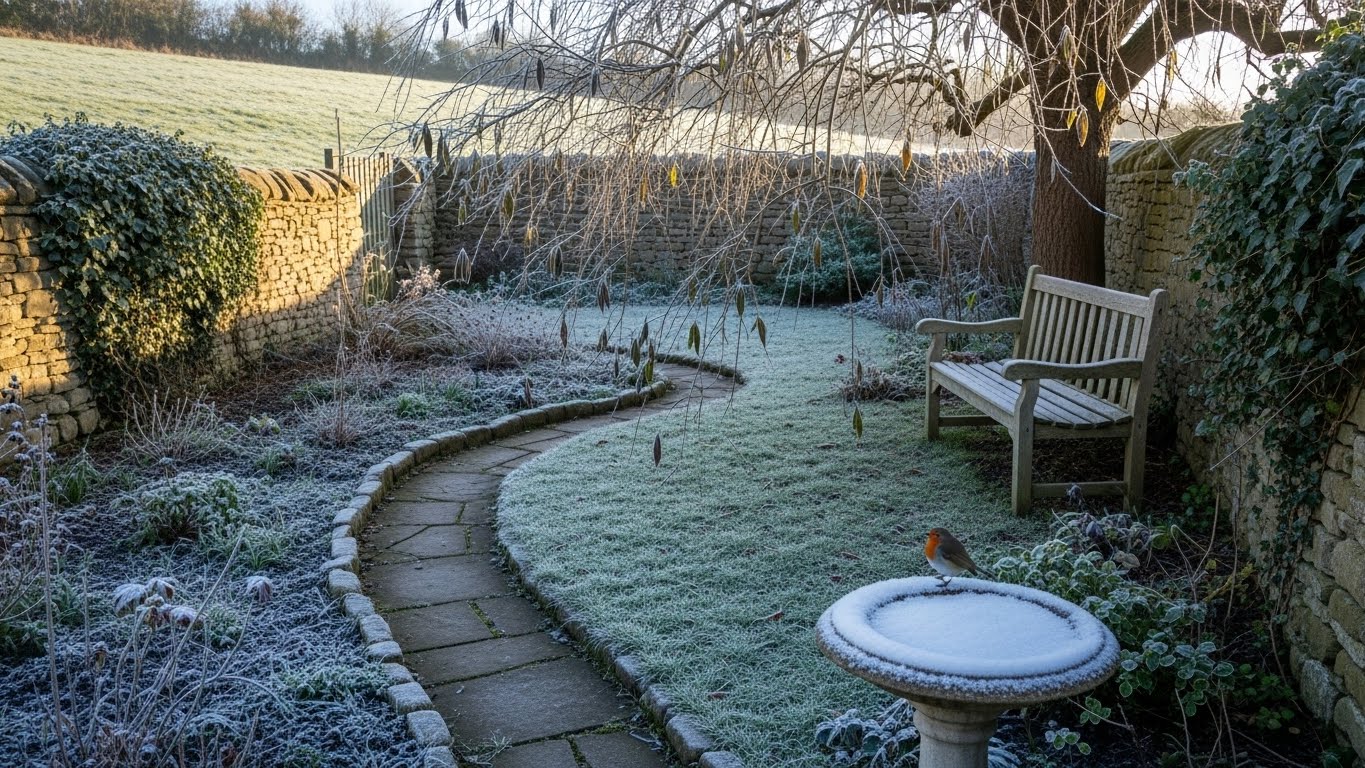
The Top Three Garden Tasks to Tackle in December
December may feel like the quietest month in the garden, but it’s actually a perfect window for essential maintenance that sets the stage for a healthy, thriving space come spring. Below are the three most rewarding jobs you can fit into the short daylight hours, each explained with clear steps and the reasons they matter.
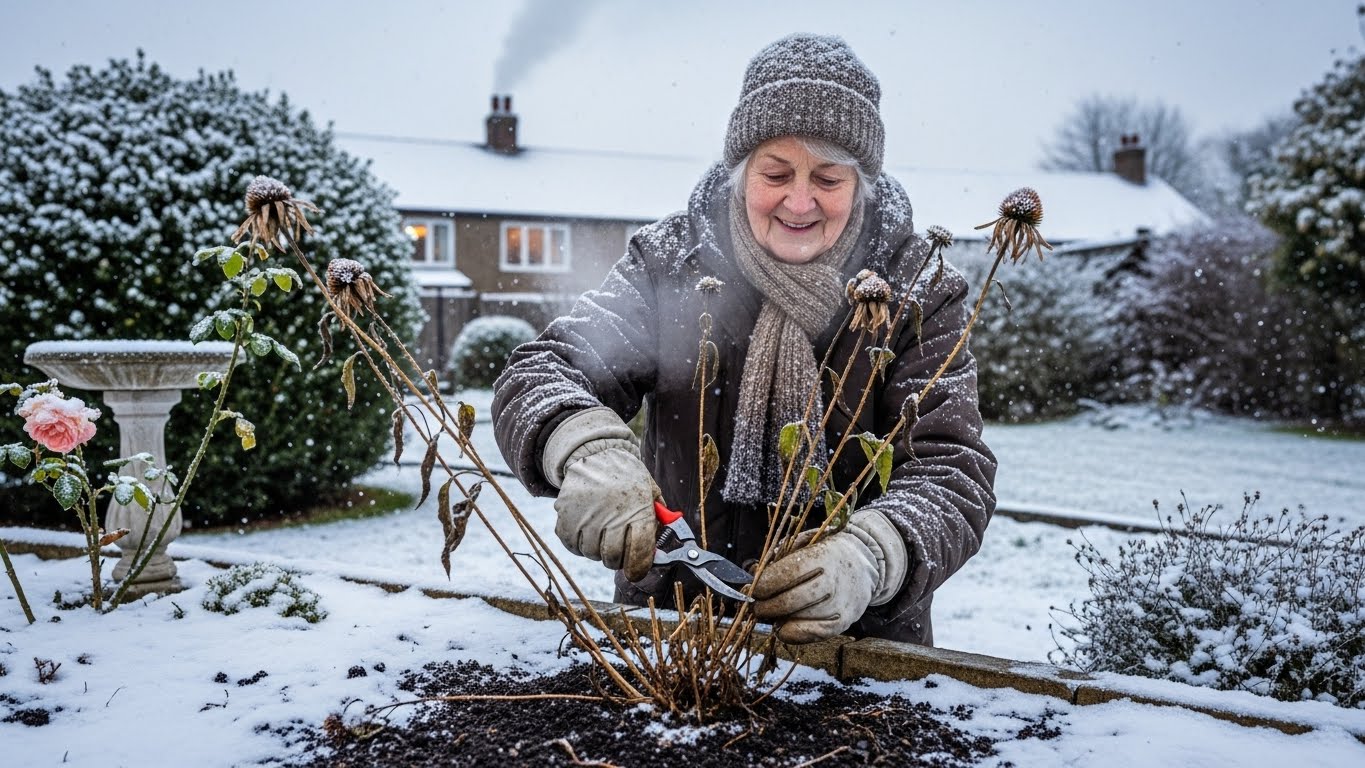
1. Prune and Protect Perennials
Why it matters:
Winter’s chill slows down plant growth, giving you a chance to shape shrubs and perennials without the stress of active sap flow. Proper pruning removes dead or diseased wood, encourages stronger stems, and reduces the risk of winter breakage. Adding protection (mulch, fleece, or shelter) helps roots stay insulated against frosts.
What to do:
Identify candidates – Look for roses, lavender, ornamental grasses, and any herbaceous perennials that have finished bloming.
Sanitise your tools – Wipe pruners with a 70 % alcohol solution to prevent spreading disease.
Cut back – Remove any dead, damaged, or crossing branches, cutting just above a healthy bud or leaf node. For roses, aim for a “third‑to‑half” reduction; for lavender, trim back to the base, leaving a neat mound.
Apply mulch – Spread a 5–7 cm layer of well‑rotted compost, leaf mould, or shredded bark around the base of each plant. This acts as insulation and slowly releases nutrients as it breaks down.
Add extra cover if needed – In exposed sites, drape horticultural fleece or a breathable garden blanket over the plants for added frost protection.
Result: A tidy, disease‑free plant that emerges stronger in spring, with roots shielded from the worst of the cold.
2. Clean Up and Prepare Soil
Why it matters:
Winter is the ideal time to clear away the debris of summer and autumn. Removing spent foliage, fallen leaves, and weeds prevents pests and fungal spores from overwintering. Meanwhile, improving soil structure now means the garden will be ready for early sowings and transplanting once the ground thaws.
What to do:
Leaf removal – Rake or use a leaf blower to collect leaves. If you have a mulching mower, shred them and spread the mulch over beds; otherwise, compost them (avoid adding diseased material).
Weed out – Pull any perennial weeds by the root, especially dandelions and bindweed, before they establish deep taproots.
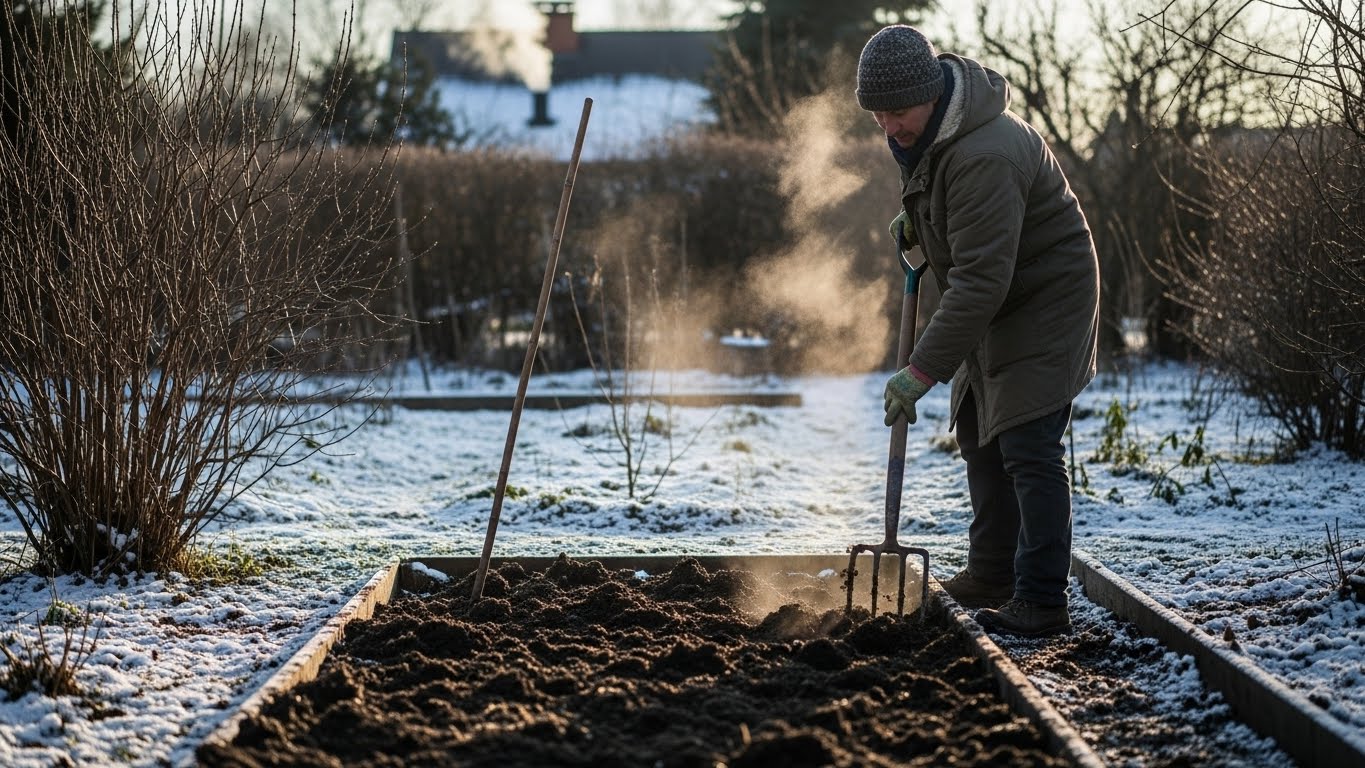
Soil amendment – Work in a generous handful of well‑rotten organic matter (compost, worm castings, or aged manure) into the top 10–15 cm of soil. This boosts microbial activity and improves drainage.
Test pH (optional) – If you haven’t tested your garden’s pH in a while, December’s calm makes it easy to take a sample. Adjust with lime (to raise pH) or elemental sulphur (to lower pH) according to the results.
Result: Cleaner beds, fewer winter pests, and richer soil that will feed seedlings and transplants when planting season returns.
3. Service Garden Tools and Equipment
Why it matters:
Cold weather can hide wear and tear on tools that you might overlook during the busy growing season. Sharpened, clean tools work more efficiently, reduce plant damage, and last longer. It’s also a good moment to check larger equipment (lawnmowers, power washers, irrigation timers) before they sit idle for months.
What to do:
Clean everything – Brush off soil and sap, then wipe with a damp cloth. For metal parts, a light coat of oil prevents rust.
Sharpen blades – Use a file or sharpening stone on pruners, secateurs, and spade edges. A sharp blade slices cleanly, reducing trauma to stems and roots.
Lubricate moving parts – Apply a few drops of garden‑grade oil to hinges, pivot points, and chain drives.
Check batteries – If you own cordless tools, store batteries at room temperature and charge them fully before the next season.
Inspect larger gear – Examine mower decks for clogs, replace spark plugs if needed, and test irrigation timers to ensure they’re still functional.
Result: A well‑maintained toolbox that saves you time and frustration when spring arrives, plus prolonged lifespan for your investment in garden equipment.

Putting It All Together
A quick December checklist
Day Task
1–3 Prune perennials, apply mulch, add protective fleece where need
4–6 Clear leaves, weed beds, incorporate organic matter, optional pH test
*7–9 Clean, sharpen, and oil all hand tools; service power tools and batteries
Feel free to spread these activities across the month—any progress is better than none, and the shorter days mean you’ll finish before the first hard freeze. By tackling these three core jobs now, you’ll give your garden the best possible head start for the new growth cycle, ensuring healthier plants, richer soil, and smoother gardening when the sun finally returns.
Happy winter gardening!



0 Comments