
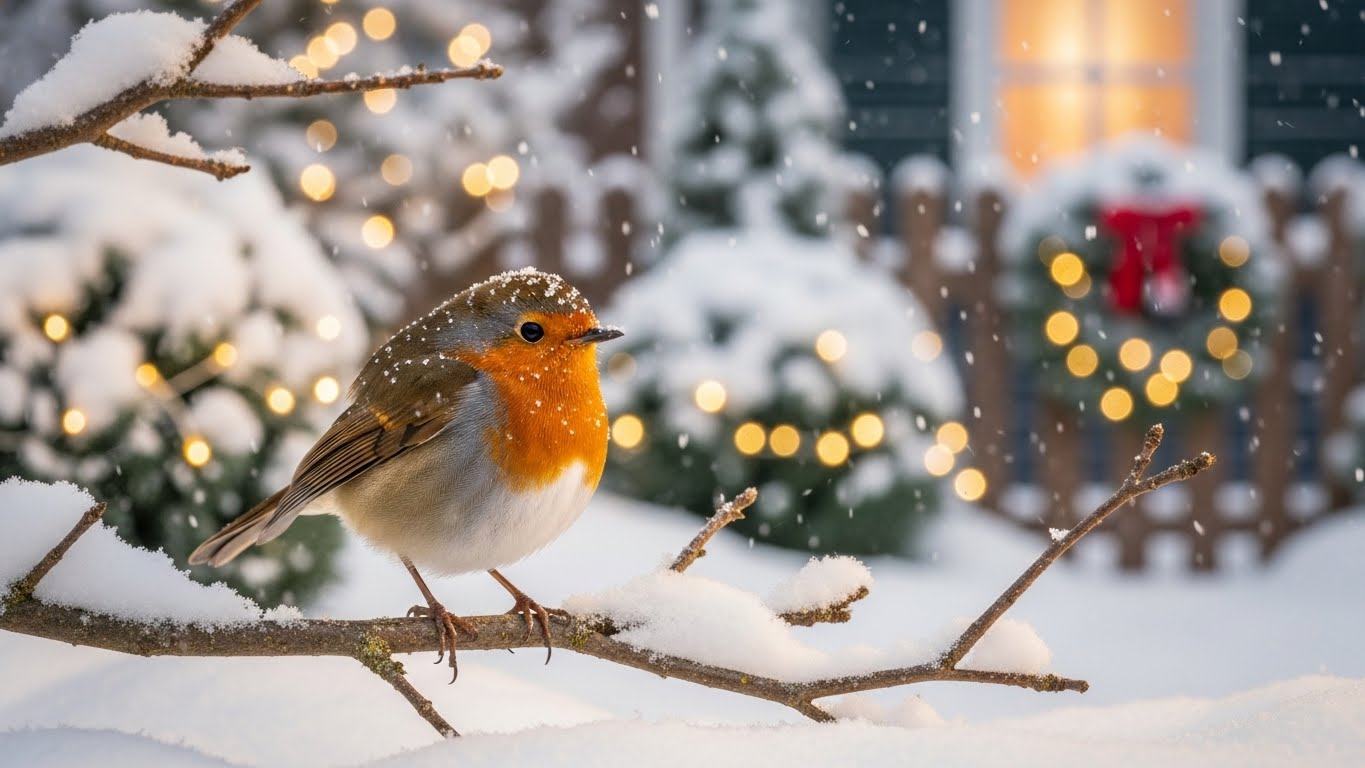
How to Invite Cheerful Robins Into Your Garden This Christmas
Winter in can feel stark, but the sight of a bright red robin flitting among holly, mistletoe and twinkling lights instantly lifts the mood. With a few thoughtful touches, you can turn your garden into a welcoming haven for these beloved birds during the festive season. Below is a step by step guide that blends practical bird friendly practices with classic Christmas charm.
1. Choose the Right Feeding Spot
Visibility matters. Place feeders where robins can spot them easily—near hedges, shrubs, or the base of a tree, but not too close to dense cover where predators could hide. A feeder positioned near a window also lets you enjoy the spectacle from inside.
Height is key. Robins typically perch a foot or two off the ground. Mount a platform feeder or a hanging feeder at roughly 1–1.5 m (3–5 ft) high to match their natural foraging height.
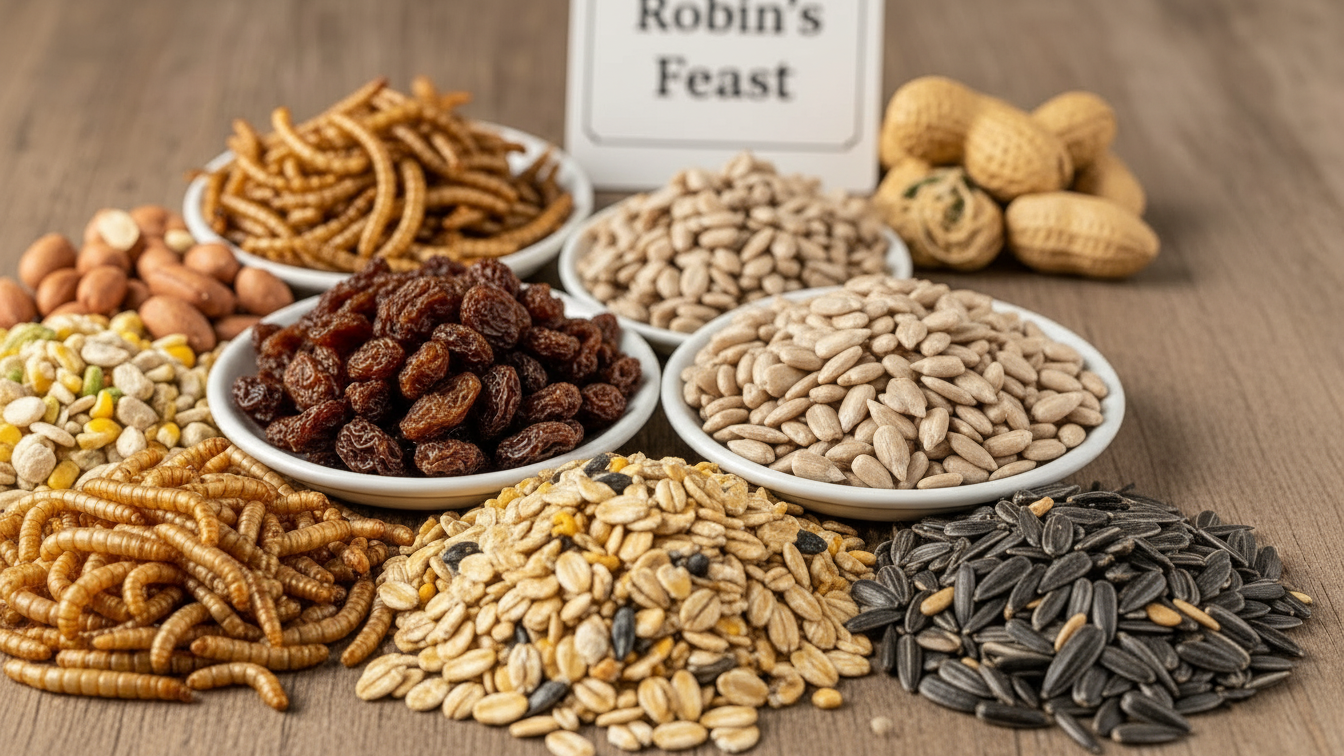
2. Offer Their Preferred Foods *(Image for illistration purposes only)
Robins are primarily insectivores, but in winter they readily switch to high energy seeds and fruits. The most attractive options include:
| Food | Why Robins Love It | How to Serve |
|---|---|---|
| Mealworms (live or dried) | Protein‑rich, mimics natural prey | Scatter a handful on a platform feeder or place in a shallow dish. |
| Sunflower seeds (black oil) | High fat content, easy to crack | Use a mixed‑seed feeder or a simple tray. |
| Peanuts (unsalted, shelled) | Crunchy, calorie‑dense | Offer in a small dish; break large nuts into bite‑size pieces. |
| Berries (cranberries, lingonberries, currants) | Natural fruit source, adds colour | Place fresh or frozen berries in a dish; thaw before use. |
| Suet blocks (with added fruit or insects) | Long‑lasting energy source | Hang a suet feeder; choose a formulation that includes insects for extra appeal. |
- Add Seasonal Décor That Doubles as Habitat
Christmas decorations can serve a dual purpose when chosen wisely.
Holly & Mistletoe: Plant a few sprigs in pots or let them grow naturally. Their berries provide a seasonal food source for robins and other garden birds.
Evergreen Boughs: Arrange pine or fir branches in a corner. They create sheltered perches and conceal feeding stations.
Ornamental Birdhouses: Hang a simple wooden box (entrance hole ~30 mm) on a pole or tree. Even if robins don’t nest, they’ll use it for roosting.
Twinkling Lights: Warm white LED strings placed low among shrubs highlight feeding sites without startling the birds.
4. Provide Safe Water
Even in frosty weather, robins need water for drinking and bathing.
Heated Bird Bath: A shallow basin with a low‑wattage heater prevents freezing. Keep the water level just a few centimeters deep.
Alternative: Place a shallow dish of water near a sunny spot; replace it daily to keep it fresh.
- Create Natural Foraging Opportunities
Robins love to hunt for insects hidden in leaf litter and bark crevices. Encourage this natural behavior:
Leave Some Leaf Piles: A modest pile of dry leaves or garden debris offers insects and shelter.
Install a “Twig Nest” Box: Fill a wooden box with twigs, straw, and dry grass. Robins may explore it for insects and use it as a temporary roost.
Plant Native Shrubs: Hawthorn, blackthorn, and elder attract insects year‑round, providing a reliable food source beyond the holiday period.
- Minimise Disturbances
Quiet Zones: Keep garden furniture away from feeding stations to reduce human traffic.
Pet Management: If you have cats or dogs, supervise them near the feeding area, especially during early mornings when robins are most active.
Predator Awareness: Avoid placing feeders too close to open ground where foxes or larger birds of prey might lurk.
- Keep Feeding Consistent
Robins quickly learn where reliable food is located. Once you start feeding, try to maintain a regular schedule throughout the winter months. Consistency builds trust and encourages repeat visits—even after the Christmas lights are taken down.
- Capture the Magic
Photography Tips: Early morning light, a backdrop of evergreen foliage, and a shallow depth of field highlight the robin’s vivid orange breast. Use a fast shutter speed (1/500 s or higher) to freeze wing motion.
Bird‑watching Journals: Note dates, weather, and food types that attracted the most robins. Over time you’ll refine your garden’s “Robin‑magnet” formula.
Quick Checklist for a Robin‑Friendly Christmas Garden
- Platform or hanging feeder at 1–1.5 m height
- Mealworms, black‑oil sunflower seeds, unsalted peanuts, berries, suet block
- Holly, mistletoe, evergreen boughs for seasonal décor and berries
- Heated bird bath or fresh water dish
- Small leaf pile or twig nest box for natural foraging
- Quiet feeding zone, pet supervision, predator awareness
- Consistent feeding schedule through winter
Final Thought
Inviting robins into your garden at Christmas isn’t just about feeding birds—it’s about weaving nature into the festive narrative. By offering the right foods, safe shelter, and a touch of holiday sparkle, you’ll create a lively, heart‑warming scene that celebrates both the season and England’s cherished wildlife. Happy gardening, and may your garden be filled with the cheerful chirps of robins all winter long!






0 Comments